


Optimizing highway communication hinges on one critical technical decision: selecting the ideal pixel pitch. Because roadway zones demand specific viewing distances tailored to varying traffic speeds, professional-grade outdoor highway LED advertising screens are the backbone of driver safety and operational efficiency. In high-speed environments, instant readability isn’t just a convenience—it’s a necessity to prevent congestion and life-threatening accidents.
This guide breaks down the strategic applications for P10, P16, and P20 modules, empowering you to refine your traffic management system with precision-engineered visual technology.
1. P10: Precision Engineering for Toll Stations
Toll plazas demand high-definition clarity to convey complex information at a distance.
-
Sharp Detail for Low-Speed Navigation: As drivers decelerate toward toll gates, they typically engage with signage from a distance of less than 50 metri. The P10 pixel pitch delivers the dense resolution required to render crisp lane numbers, pricing, and electronic payment symbols.
-
Operational Impact: By eliminating visual ambiguity, P10 modules prevent last-minute lane changes and stop-and-go confusion. Di conseguenza, this pitch stands as the premier choice for streamlining traffic at highway entry and exit points.
2. P16: Versatility for Service Areas
Service areas function as critical hubs for fueling, parking, and traveler rest, requiring a flexible visual solution.
-
Optimized Balance for Medium Distances: Signage in these zones must remain legible from 50 A 100 metri away. The P16 pixel pitch strikes a perfect equilibrium between cost-efficiency and high-quality rendering.
-
Proactive Driver Guidance: This resolution allows motorists to identify fuel prices or parking availability well before the turn-off. By providing ample reaction time for lane positioning, P16 serves as the robust industry standard for rest area guidance and facility alerts.
3. P20: Dominance for the Mainline
On the open highway, massive displays must communicate urgent messages across vast distances.
-
Maximum Visibility for High-Velocity Zones: Drivers traveling at peak speeds require early warnings to navigate safely. To facilitate this, P20 modules ensure that text and graphics remain vivid from distances exceeding 100 metri.
-
Durability and Range: Engineered for high brightness and superior contrast, the P20 pitch cuts through harsh weather and direct sunlight. Whether broadcasting weather hazards or emergency accident alerts, the P20 remains the most dependable choice for long-range Variable Message Signs (VMS).
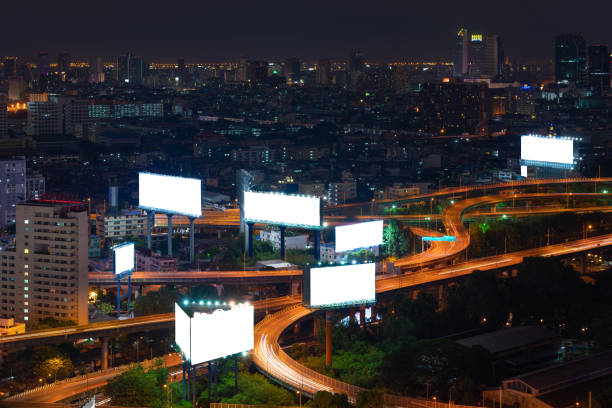
4. Engineering the View: A Strategic Selection Matrix for Roadway Displays
Choosing the right pixel pitch isn’t just a technical detail—it is the difference between a split-second reaction and a missed exit. To optimize visibility and budget, engineers must align display resolution with the driver’s environment. Use the following matrix to guide your infrastructure specifications:
Roadway Display Optimization Matrix
| Application Zone | Recommended Pitch | Viewing Distance | Primary Strategic Goal |
| Toll Stations | P10 | $\le$ 50 Meters | Precision Lane & Payment Info |
| Service Areas | P16 | 50 – 100 Meters | Facility Guidance & Amenities |
| Mainline / Expressways | P20 | > 100 Meters | High-Impact Safety Alerts |
Maximizing Operational Efficiency
By meticulously matching pixel pitch to the surrounding environment, you ensure maximum visual efficiency without inflated costs. While high-resolution screens offer crisp imagery, professional planning prevents the common pitfall of overspending on unnecessary density for long-range viewing.
Inoltre, investing in premium outdoor LED technology pays dividends beyond the initial install; these ruggedized systems significantly slash long-term maintenance overhead. Di conseguenza, a data-driven selection process guarantees that your infrastructure remains both fiscally responsible and technologically superior.
Conclusione: Total Clarity, Zero Compromise
The right LED technology does more than display text—it saves lives by delivering mission-critical information exactly when drivers need it most.
Stop leaving your traffic infrastructure to guesswork. Invece, embrace a rigorous, data-driven approach to highway display selection. This ensures your messages remain legible and effective, even in the harshest weather conditions.
Upgrade your roadway today. Partner with professional visual solutions to build a guidance system that communicates with unwavering reliability. Your highway deserves a standard of clarity that never fails.
For even more exciting content, check us out on Facebook!
Don’t forget to click the link below to follow us—be the first to get the latest updates so you never miss a beat!
🔗 [ XOBLED Facebook ]