


في صناعة العرض التجاري, هناك أسطورة مستمرة مفادها أن “أكثر إشراقا هو الأفضل دائما.” مدفوعًا بالمواصفات التسويقية للوحات الإعلانية الخارجية ونوافذ البيع بالتجزئة ذات الإضاءة المحيطة العالية, يطارد العديد من مديري المشاريع وموظفي المشتريات بشكل أعمى التصنيفات العالية عند التحديد جدران فيديو LED ذات درجة دقة عالية. لكن, نقل عقلية السطوع الخارجي هذه إلى غرفة مغلقة, البيئة الداخلية عالية الكثافة هي وصفة للفشل التشغيلي.
في البيئات الحرجة مثل 24/7 غرف التحكم للمهام الحرجة واستوديوهات البث التلفزيوني الاحترافية, السطوع المفرط ليس من الأصول، بل هو مسؤولية. لهذه التطبيقات المتخصصة, لقد أثبت مهندسو العرض الصناعي أن أ 500 شاشة LED داخلية يمثل المطلق “بقعة حلوة.”
سيعمل هذا الدليل الفني على تحليل الأسباب الفيزيائية المرئية 500 قرص مضغوط/م² (القمل) يوفر التوازن النهائي بين تباين الصور عالي الدقة وسلامة العين على المدى الطويل, ولماذا يؤدي تجاوز هذا الحد إلى إضعاف أداء المشغل وجودة كاميرا البث.
1. العامل البشري: الإرهاق البصري في غرفة التحكم وفخ السطوع الزائد
يدير مشغلو غرفة التحكم المسؤوليات الحاسمة طوال فترة طويلة 8- إلى نوبات مدتها 12 ساعة. خلال هذا الوقت, يقومون بمراقبة كثيفة بشكل مستمر, محتوى كثيف البيانات مثل أنظمة المرور, شبكات الأمن, والقياس عن بعد لمحطة الطاقة. لتحسين رؤية الشاشة والحفاظ على التركيز, عادةً ما تحافظ المرافق على الإضاءة المحيطة عند مستويات منخفضة إلى متوسطة, عادة بين 100 و 300 لوكس. نتيجة ل, يمكن للمشغلين التركيز بشكل أكثر فعالية على المعلومات المرئية التفصيلية عبر شاشات العرض المتعددة.
فيزياء إجهاد العين
عندما يقوم المشغلون بتعيين جدار فيديو LED أعلاه 800 أو 1,000 القمل في مركز قيادة خافت, تخلق الشاشة تباينًا مفرطًا في الإضاءة مع البيئة المظلمة. نتيجة ل, يجب أن تتكيف العين البشرية باستمرار بين سطوع الشاشة الشديد وبيئة الإضاءة المنخفضة. هذا التكيف المستمر يجبر عضلات القزحية على الانقباض والتمدد بشكل متكرر, مما يزيد بشكل مباشر من خطر الإرهاق البصري في غرفة التحكم. علاوة على ذلك, يمكن أن يؤدي التعرض لفترات طويلة إلى تقليل راحة المشاهدة ويؤثر سلبًا على تركيز المشغل أثناء مهام المراقبة الحرجة. تشمل الأعراض:
-
إجهاد العين الشديد والصداع الناتج عن التوتر.
-
تنجم متلازمة جفاف العين عن انخفاض معدل الرمش عند التحديق في ضوء عالي الكثافة.
-
يؤدي انخفاض الوعي المعرفي على المدى الطويل إلى زيادة خطر حدوث أخطاء تشغيلية فادحة.
لماذا 500 القمل يحمي 24/7 المشغل
الحد الأقصى من السطوع 500 يتوافق nits مع منحنيات النصوع المريحة المطلوبة للأماكن الداخلية, عرض قريب. يسمح بنقاط البيانات, الرسوم البيانية الخطية المعقدة, وتدفقات الفيديو المتعددة النوافذ لتظهر حادة ونابضة بالحياة دون أن تنبعث منها أي قسوة, توهج متعب. من خلال تنفيذ أفضل سطوع لعرض غرفة التحكم أنظمة, يمكن للمنشآت ضمان بقاء قوتها العاملة حادة, يُحذًِر, ومريحة عبر متتالية 24/7 التحولات.
2. تحدي البث: ستوديو LED لوحة البث البصريات الصف
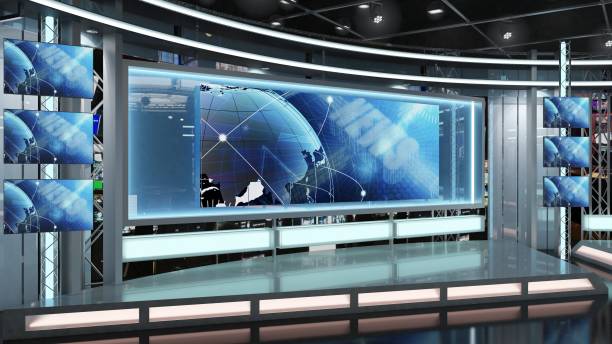
بينما تعطي غرف التحكم الأولوية لراحة العين البشرية, يجب أن تعطي استوديوهات الإنتاج التلفزيوني والافتراضي الأولوية لـ “عين” من الكاميرا. تصميم أ استوديو LED لوحة البث الصف تتطلب الشاشة حل مجموعة مختلفة تمامًا من العقبات البصرية.
القضاء على تأثير تموج في النسيج والتعرض غير المتطابق
في استوديوهات البث الحديثة, تعتمد الكاميرات على إعدادات فتحة العدسة والغالق الدقيقة للحفاظ على جودة الصورة المتوازنة. عندما يعمل جدار خلفية LED بسطوع مفرط, فهو يجبر مشغلي الكاميرا على تقليل فتحة العدسة أو زيادة سرعة الغالق للتعويض. نتيجة ل, تصبح إضاءة الاستوديو غير متوازنة. قد تظهر الموهبة التي تظهر على الشاشة مكشوفة ومغطاة بظلال قاسية, بينما يمكن أن تتعرض خلفية LED بشكل مفرط وتتحول إلى وهج أبيض مشتت للانتباه. بالتالي, يؤدي هذا الخلل إلى الإضرار بالجودة المرئية الشاملة وإضعاف تصميم المجموعة الرقمية المقصودة.
الحفاظ على سلامة الألوان في 500 القمل
التحدي الهندسي المتمثل في خفض سطوع لوحة LED إلى 500 الصئبان تحافظ على عمق الألوان. بسعر رخيص, لوحات LED القياسية, عادةً ما يؤدي تقليل السطوع إلى فقدان شديد لدقة التدرج الرمادي. تصبح الألوان موحلة, والتدرجات الداكنة تذوب في ممتلئ الجسم, التحف منقطة.
تعمل شاشات LED المتميزة ذات المسافة الدقيقة على حل هذه المشكلة بتقنية متقدمة سطوع منخفض, ICs للسائق ذات التدرج الرمادي العالي. حتى عندما يتم معايرتها إلى مستوى مريح 500 القمل, تحتفظ الشاشة بعمق 16 بت حقيقي أو أعلى, ضمان أن السود العميق, نغمات البشرة النابضة بالحياة, وتظل التدرجات الدقيقة دقيقة تمامًا للألوان بالنسبة للبث التلفزيوني, كما هو موضح أدناه:
[ Traditional LED Panel ]
Lowering Brightness ===> Drops Grayscale ===> Muddy Colors & Lost Detail ❌

[ XOBLED High-Grayscale Integration ]
Lowering Brightness (500 Nits) ===> Stabilized Driver ICs ===> Perfect 16-Bit Color Depth Layering
3. معادلة التزامن: معدلات التحديث العالية مقابل. وميض الكاميرا
إن تحقيق الإنارة المثالية البالغة 500 شمعة في المتر المربع هو نصف المعركة فقط. أن تكون حقا على مستوى البث, يجب أن تعمل الشاشة بسلاسة مع مستشعرات الكاميرا عالية السرعة دون التسبب في ظهور عيوب على الشاشة.
خطر المسح منخفض التردد
تقوم شاشات LED بضبط سطوعها المتصور باستخدام تعديل عرض النبض (بوم)- تشغيل وإيقاف وحدات البكسل بسرعات غير محسوسة للعين البشرية. لكن, إذا كان معدل التحديث لهذا التعديل منخفضًا جدًا, كاميرا بث تصور بمعدل 24 إطارًا في الثانية, 30إطارا في الثانية, أو 60 إطارًا في الثانية ستلتقط تلك الفترات المظلمة. وينتج عن هذا أشرطة أفقية سوداء مشتتة للغاية, خطوط المسح المتداول, أو وميض شديد اللون في اللقطات المسجلة.
+------------------------------------------------------------------------+
|  Operational Performance Specifications for Indoor Mission-Critical LED |
+------------------------------------------------------------------------+
| Feature Metric        | Standard Commercial LED | Command & Studio Grade  |
+-----------------------+-------------------------+------------------------+
| Optimal Brightness    | 800 - 1,200 nits        | 400 - 500 nits         |
| Refresh Rate          | 1,920 Hz                | ≥ 3,840 Hz - 7,680 Hz  |
| Grayscale Retention   | Drops below 50% light   | Full 16-Bit at 500 nits|
| Thermals & Lifespan   | High heat, rapid decay  | Low thermals, 100k hrs |
+-----------------------+-------------------------+------------------------+
من خلال الاقتران أ 500 شاشة LED داخلية مع معدل تحديث فائق الجودة 3,840هرتز إلى 7,680 هرتز, تدور دورات العرض بسرعة كافية لتظل متزامنة تمامًا مع أي مصراع كاميرا بث احترافي. وهذا يضمن عدم التدخل في القطع الأثرية, المقالي على نحو سلس تماما, والخلفيات الرقمية الأصلية لشبكات البث التلفزيوني المباشر.
4. الحرارة وطول العمر: الفوائد الثانوية للنصوع المعتدل
ما وراء بيئة العمل البصرية وتوافق الكاميرا, قفل تكوين الشاشة الداخلية لديك 500 توفر nits فوائد هيكلية ومالية هائلة للبنية التحتية الهندسية للمنشأة.
تقليل توليد الحرارة في الأماكن المغلقة
تولد مصابيح LED حرارة تتناسب مع التيار الذي يقودها. يؤدي تشغيل جدار فيديو ضخم وسطوع مفرط إلى تحويل الشاشة إلى سخان فضائي عملاق. في غرفة التحكم المغلقة, يؤدي هذا إلى ارتفاع درجة حرارة الغرفة المحيطة, إجبار أنظمة التدفئة والتهوية وتكييف الهواء (HVAC) في المنشأة على العمل بشكل مستمر, مما يؤدي إلى ضوضاء عالية للمروحة ويزيد من تكاليف الكهرباء.
إطالة عمر النصف لبكسلات Micro-LED
تعمل الثنائيات الدافعة بأقصى طاقتها على تسريع تحللها الكيميائي. يؤدي إلى تغير اللون بشكل غير متساو, نضوب البكسل, ويتلاشى السطوع المبكر مع مرور الوقت. تشغيل جدار فيديو LED بمعدل معايرة 500 القمل يقلل من الضغط الحراري على المكونات, ضمان وصول النظام إلى العمر التشغيلي الكامل البالغ 100000 ساعة دون الحاجة إلى استبدال اللوحة مبكرًا باهظ الثمن.
خاتمة: يعرض الهندسة المتعمدة على الأرقام الأولية
في مراكز مراقبة المهام الحرجة وبيئات البث المهنية, الدقة والتوازن يحددان التميز الهندسي الحقيقي. إن مجرد اختيار شاشة فائقة السطوع للاستخدام الداخلي لا يضمن أداءً أفضل. في الحقيقة, غالبًا ما يؤدي السطوع المفرط إلى زيادة تكاليف التشغيل, يقلل من راحة المشاهدة, ويؤثر سلبًا على جودة إخراج الكاميرا.
بدلاً من, يجب أن تعطي المرافق الحديثة الأولوية لأداء العرض الذي يدعم كلاً من الدقة البصرية وسهولة الاستخدام على المدى الطويل. عن طريق اختيار تحديث عالية, الكمون المنخفض 500 شاشة LED داخلية, يحقق المشغلون إعادة إنتاج صورة واضحة, صور بث مستقرة, وتجربة مشاهدة أكثر راحة.
علاوة على ذلك, تساعد مستويات السطوع المُحسّنة في الحفاظ على أداء دقيق للألوان مع التخلص من خطوط مسح الكاميرا أثناء التصوير والإنتاج المباشر. في نفس الوقت, يقلل شكل العرض المريح من إجهاد العين ويدعم تركيز المشغل أثناء ساعات العمل الممتدة.
نتيجة ل, يوفر حل LED الداخلي المصمم بشكل احترافي التوازن الدقيق للأداء, راحة, والموثوقية المطلوبة في تطبيقات المراقبة والبث المتقدمة اليوم.
قم بتحسين مساحة التحكم الخاصة بك أو بيئة الاستوديو باستخدام التصميم المتعمد, الأجهزة البصرية معايرة. تعلم المزيد عن هندسة الدقة, أنظمة الفيديو الداخلية ذات الملعب الدقيق في يعرض XOBLED ورفع القدرات التشغيلية لمنشأتك اليوم.