


Choosing the right outdoor LED billboard display screen starts with selecting the correct pixel pitch. Many property managers, advertising companies, and retail brands face this decision. A smaller pixel pitch delivers sharper images. However, it also increases project costs. A larger pixel pitch reduces the initial investment. Yet it may lower image quality at close viewing distances. Therefore, choosing the wrong specification can reduce advertising performance and waste your budget.
Many buyers ask the same question. Should they invest in a high-density P2.5 LED display, or is a P6 LED screen enough? The answer depends on viewing distance, installation height, content type, and budget. This guide explains how pixel pitch affects image clarity. It also compares common LED display options for different outdoor applications. By the end, you will know how to choose the best solution for your project while controlling total ownership costs.
1. Decoding Pixel Pitch: The Interplay of Diode Density and Sourcing Costs
To make a smart component purchasing decision, your technical acquisition team must first understand what pixel pitch means for image resolution. The term pixel pitch refers to the exact physical distance in millimeters measured from the center of one LED to the center of the adjacent diode. Therefore, a smaller pitch number means the diodes sit closer together, creating a significantly higher pixel density that produces sharper images, smoother text curves, and finer details.
However, increasing this resolution comes with a significant price increase. For example, a single square meter of a P2.5 display module contains approximately 160,000 individual pixels, whereas a P6 module of the same size holds only 27,777 pixels. This means the P2.5 configuration packs nearly six times the number of diodes into the same surface area, which drives up component material expenses and manufacturing assembly times. As a result, procurement teams must carefully evaluate whether a specific installation location truly needs that level of high-density resolution.
2. The Quick-Calculation Viewing Formula: Matching Diode Spacing to Human Eyesight
Fortunately, system engineers utilize a reliable math formula to prevent businesses from overspending on unnecessary resolutions. To find the optimal minimum viewing distance for any display, simply multiply the pixel pitch by 1,000:
Applying this formula shows that a P6 screen reaches its ideal, blended visual sweet spot when the audience stands approximately 6 meters or farther away from the sign. At that distance, the human eye can no longer see the tiny gaps between the individual diodes, making the text look sharp and cohesive. If your target audience naturally stands 8 to 10 meters away from the sign, a P2.5 screen and a P6 panel will look virtually identical to the naked eye. In this scenario, buying the premium P2.5 screen introduces an expensive cost trap, inflating your equipment budget by 50% or more without adding any real value to your advertising layout.
3. Strategic Scenario Matching: Sourcing Guidelines for Multi-Terrain Deployments
Corporate purchasing managers can easily avoid over-engineering issues by choosing their hardware configuration based on the specific terrain of the job site.
Pedestrian Plazas and Low-Level Mall Facades (Close-Range Viewing)
When installing digital signage along tight shopping mall corridors, pedestrian walking streets, or low-level retail entrances, audiences will view your content from up close. These locations require a crisp P2.5 to P3.9 pixel pitch to ensure that high-definition brand videos, QR codes, and text menus remain perfectly legible from within 4 meters.
Urban Main Roads and Mid-Level Building Displays (Medium-Range Viewing)
For signs mounted on mid-level building walls or positioned along busy city main roads, the passing audience consists of a mix of walking pedestrians and moving vehicles. Because viewers look at these displays from a medium distance of 4 to 8 meters, a standard P4 to P6 configuration balances affordable upfront material costs with excellent color mixing.
High-Altitude Highway Billboards and Distant Landmarks (Long-Range Viewing)
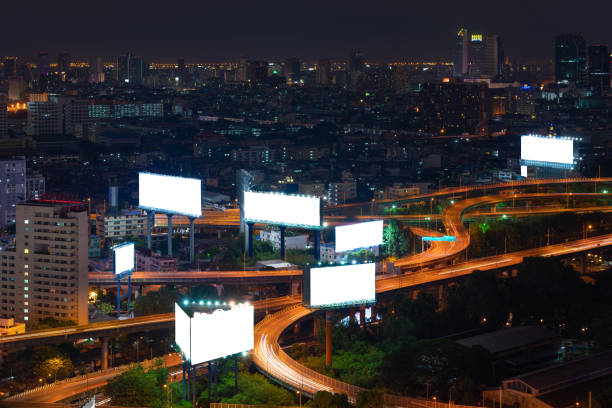
Massive digital billboards mounted high above interstate highways or sitting atop tall downtown skyscrapers target audiences driving or walking far away. Because the audience views these screens from distances well beyond 10 meters, purchasing a P8 or P10 pixel pitch is the most economical choice, delivering crisp visibility while keeping your total equipment investment low.
Outdoor Billboard Substrate Selection Profiles
| Target Installation Scenario | Recommended Pixel Pitch | Minimum Viewing Distance | Primary Sourcing Benefit |
| Shopping Plaza Entrances | P2.5 to P3.9 | 2.5 to 4 Meters | Flawless text clarity for close-up foot traffic |
| City Roadside Billboards | P4 to P6 | 4 to 6 Meters | Balances visual performance with mid-tier pricing |
| Elevated Highway Markers | P8 to P10 | 8 to 10 Meters | Lowers bulk hardware costs for long-range views |
Conclusion: Maximize Your Advertising Infrastructure Investment
Choosing the right pixel pitch improves image quality and investment value. Match the display resolution to your real viewing distance. Avoid paying more for pixels your audience cannot see.
Also, avoid low-resolution screens for close viewing areas. A balanced design delivers better visual performance and lower operating costs. Our outdoor LED billboard display solutions support reliable, long-term operation.
Each system uses premium LED components and durable cabinet construction. Every display is tested for brightness, weather resistance, and energy efficiency. We also provide custom configurations for different installation environments. Our engineering team helps you select the best LED display solution. Contact us today for expert advice and a customized project quotation.