


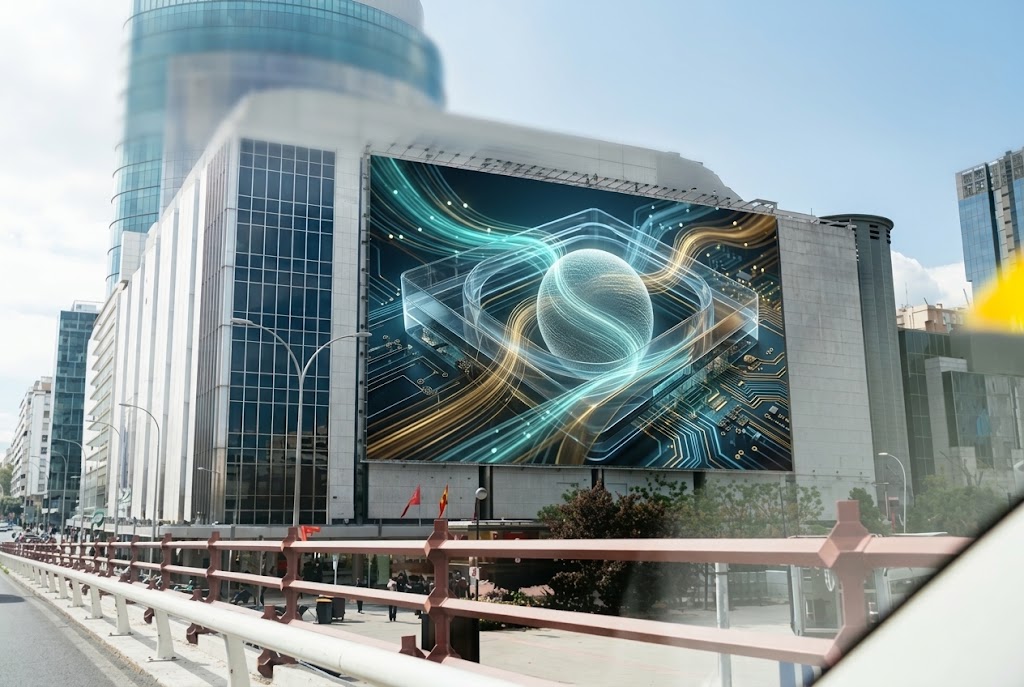
Municipal planners, commercial property developers, and outdoor advertising networks face significant engineering challenges when maintaining electronic infrastructure during extreme summer heatwaves. Because massive digital billboards stand exposed to direct sunlight for hours, choosing a highly durable city outdoor LED display screen framework is essential to avoid thermal blackouts. Consequently, enterprise procurement managers frequently raise serious mechanical questions during the hardware evaluation phase, asking a critical question: “Do large outdoor digital screens overheat when summer ambient temperatures surpass 40°C, and can a fanless structural enclosure truly deliver reliable cooling performance under intense solar radiation without crashing?”
Sourcing a poorly cooled digital billboard leads to rapid diode degradation, strange color shifts, and expensive component replacements during peak operational seasons. Conversely, over-engineering basic setups with loud, high-maintenance mechanical fans drives up your monthly utility costs and introduces multiple physical failure points into your system. This comprehensive B2B technical guide quantifies how heat damages diode lifespans, evaluates the engineering requirements of fanless structures, and details the warning signs of thermal stress.
The Thermodynamics of Digital Signage: Why Heat Kills Diode Lifespans
To protect your media network investments, your technical team must analyze how high temperatures degrade light-emitting diodes at the molecular level. Heat operates as the number one enemy of solid-state electronics, meaning that the visual stability of your city’s outdoor LED display screen depends directly on keeping internal temperatures stable. When electrical current passes through an LED chip, the semiconductor junction generates significant waste heat that must escape immediately.
If the internal junction temperature rises by just 10°C above its optimal rating, the rate of permanent lumen depreciation accelerates by approximately two times. When summer ambient temperatures surpass 45°C, the underlying cooling infrastructure must work perfectly to prevent structural damage. Failing to clear this trapped thermal energy quickly degrades the internal phosphor layers, causing the screen to dim prematurely and shortening a standard 100,000-hour operating lifespan down to a fraction of its original potential.
The Reality of Fanless Enclosures: When Can You Safely Eliminate Mechanical Ventilation?
Many hardware vendors heavily advertise the benefits of fanless outdoor screens, highlighting their quiet operation, reduced power use, and sealed protection against dust and moisture. However, purchasing managers must understand that a fanless setup only works reliably under specific design conditions rather than serving as a universal solution for all billboard types.
[Standard Solid LED Panel] ---> High Power Draw ---> Generates Deep Internal Heat ---> Requires Active Fans
[Mesh / Transparent Panel] ---> High Air Permeability ---> Low Power Draw ---> Safely Uses Fanless Cooling
Engineers can only implement a completely fanless design safely when the screen features a highly specialized, low-power architecture or a physically open structure. For example, architectural mesh panels and transparent glass displays use open spacing that allows natural ambient air to flow directly through the module, clearing heat away naturally.
Additionally, these specialized designs utilize highly efficient common-cathode power distribution systems that significantly lower overall power consumption and reduce base heat generation. For standard, solid-faced high-brightness advertising billboards, relying on passive cooling alone in 40°C weather creates a dangerous thermal trap. These heavy-duty installations require active, intelligent ventilation systems or integrated air conditioning units to force heat out of the sealed aluminum chassis efficiently.
Recognizing Critical Thermal Warning Signs on the Display Surface
Field technicians and network operators must monitor their outdoor screen networks closely during peak summer months to catch heat-related performance issues before they cause total system failure.
-
Localized Module Overheating: When specific internal scanning cards or power blocks begin to warp from heat, the corresponding LED modules on the front surface will feel unusually hot, creating visible patches of distorted imagery.
-
Severe Color Temperature Drifting: Extreme heat alters the electrical resistance of red, green, and blue diodes at completely different rates. This imbalance causes the screen’s white balance to drift noticeably, turning crisp advertisements into muddy, unnaturally green or pink-tinted displays.
-
Automated Safety Brightness Dimming: Smart commercial screens integrate internal thermal sensors that trigger protective safety protocols when heat levels peak. The system automatically drops the screen’s brightness by 30% to 50% to lower power consumption, which keeps the screen alive but leaves your ads looking faint and washed out in bright sunlight.
Strategic Sourcing Framework for B2B Procurement Officers
Corporate buyers can secure excellent operational safety margins and maintain high performance by following three strict procurement rules during the bidding process:
-
Verify Certified Environmental Operating Ranges: Do not purchase hardware based on generic performance claims. Always demand certified testing documents proving the equipment operates flawlessly within a clear temperature range, typically from -20°C up to +50°C.
-
Insist on Detailed Thermal Engineering Layouts: For projects slated for hot, sun-drenched regions, require your manufacturing partner to provide comprehensive thermal simulation mapping showing exactly how air moves through the internal chassis.
-
Prioritize Premium Aluminum Shell Materials: Avoid cheap plastic module housings that warp and trap heat over time. Specify high-grade die-cast aluminum alloy backplates instead, which serve as highly efficient, natural heat sinks that accelerate thermal dissipation across the entire screen frame.
Conclusion: Secure Your Media Network Against Extreme Weather
In conclusion, scaling a highly profitable municipal advertising network or roadside billboard array requires sourcing rugged electronic hardware that easily withstands harsh summer environments.
Stop risking your media delivery contracts, warranty margins, and corporate brand reputation on low-tier digital screens that distort colors, dim down, or suffer complete power failure during severe summer heatwaves. Upgrading your visual infrastructure to our high-performance city outdoor LED display screen platforms guarantees excellent thermal control, beautiful color rendering, and continuous operation in any climate. We engineer every single aluminum cabinet and calibrate every intelligent cooling loop to satisfy strict international durability standards. Contact our outdoor display engineering division today to submit your regional weather profiles and receive a detailed equipment configuration blueprint.